
Key facts
In the summer of 2026, the Huntington Police Department rolled out the “Blue Lights the Way” program, aimed at protecting those who have a tendency to wander away from home.1
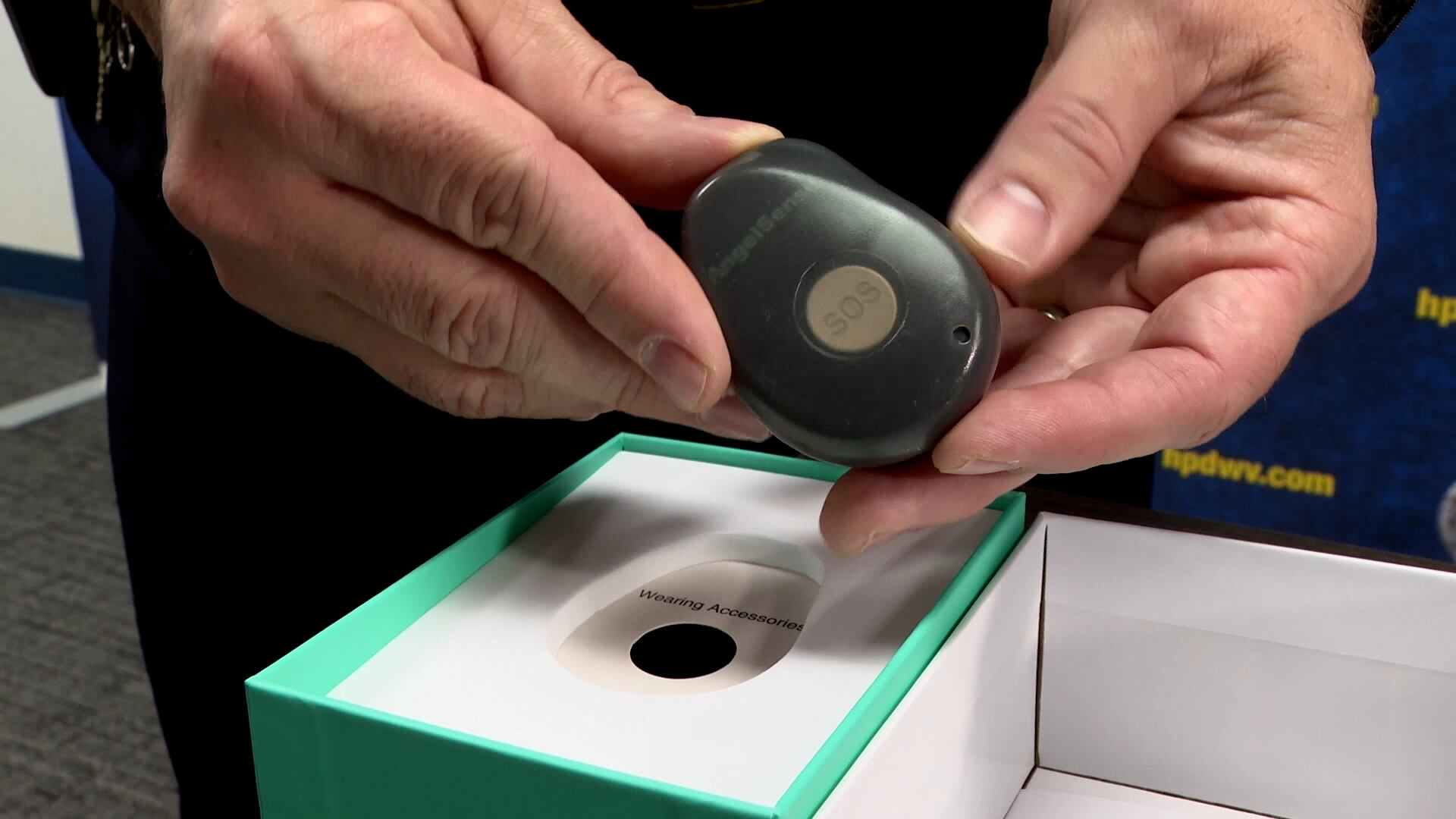
Families in Cabell and Wayne counties can apply to receive an AngelSense watch or fob tracking device for their loved one from HPD, free of charge.1
The program is launching after a WSAZ investigation into Charles “Chuck” Charles Carroll’s death.1
Carroll, who had dementia, was dropped off at Cabell Huntington Hospital on Dec. 30, 2021, before wandering off on his own..1 He was missing for 53 days before being found dead in an outbuilding blocks from the hospital.1
How Families Can Apply
HPD Lt. Matt Null explained that families can set up a geofence that would let them know if the person has traveled outside of that area.1
Null said the devices aren’t just for people with dementia, but can be used for people of any age with mental disabilities that might make them wander off, like autism..1 He said there are only 100 devices available, and demand is already high, saying his phone has been “ringing off the hook.”1
Debbie Holmes, Carroll’s lifelong friend, implored others with loved ones like Chuck to reach out for the program, saying “Everybody’s family is going to be affected with dementia, one way or the other. My own family was. And it’s so sad to think that little things that we can do can make a difference. All it takes is effort.”1
A Grant-Funded Mission
Lt. Dunn said the program, which is fully funded by a grant from the Department of Justice, is in the department’s mission to protect, serve, and better the community.1
“He was so close to me, where I lived. He was pretty close to me. I wouldn’t have known to look for him there,” Caroll said.